dia de todos los santos


context
This project was developed in Design Studio 3 with Igor Bragado in collaboration with Selene Torres Covarrubias and Divya. The brief focused on spatial design and 3D modeling.
Through research, we identified a lack of communal spaces in Madrid for the Guatemalan community, particularly for celebrating All Saints’ Day, a culturally significant event rooted in collective memory, family, and tradition.
concept
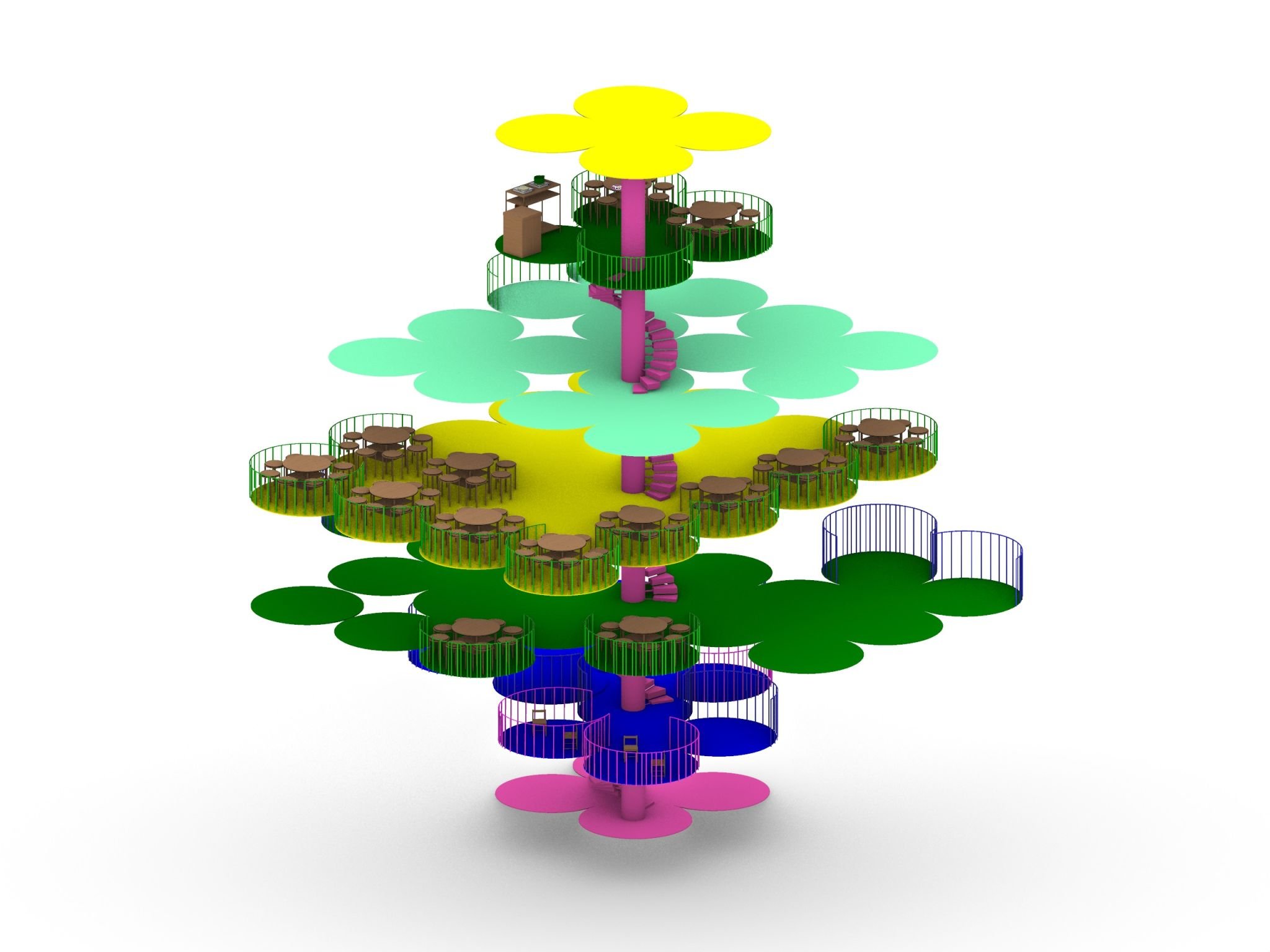
The project proposes a dismountable pavilion that supports cultural rituals while adapting to the urban context of Madrid.
Rather than designing a static structure, the pavilion functions as a flexible system that appears during moments of cultural importance and can later be repurposed across the city. The design connects memory, community, and sustainability, allowing traditions to exist beyond their original geographic context.
process
Conducted research on Guatemalan traditions, particularly All Saints’ Day
Identified spatial and social gaps within Madrid for this community
Defined the pavilion as both a temporary and reusable structure
Developed the design through 3D modeling and spatial planning
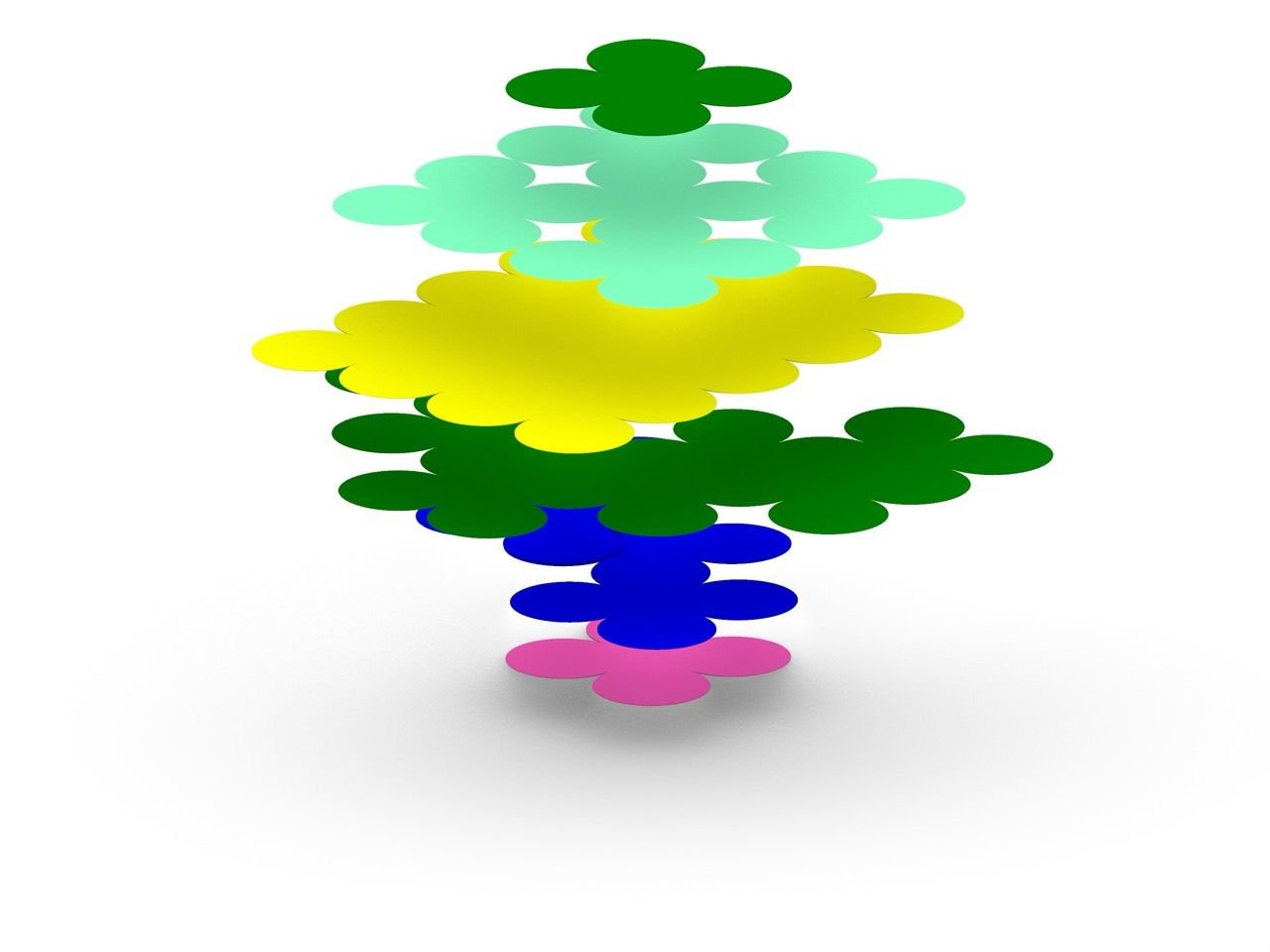
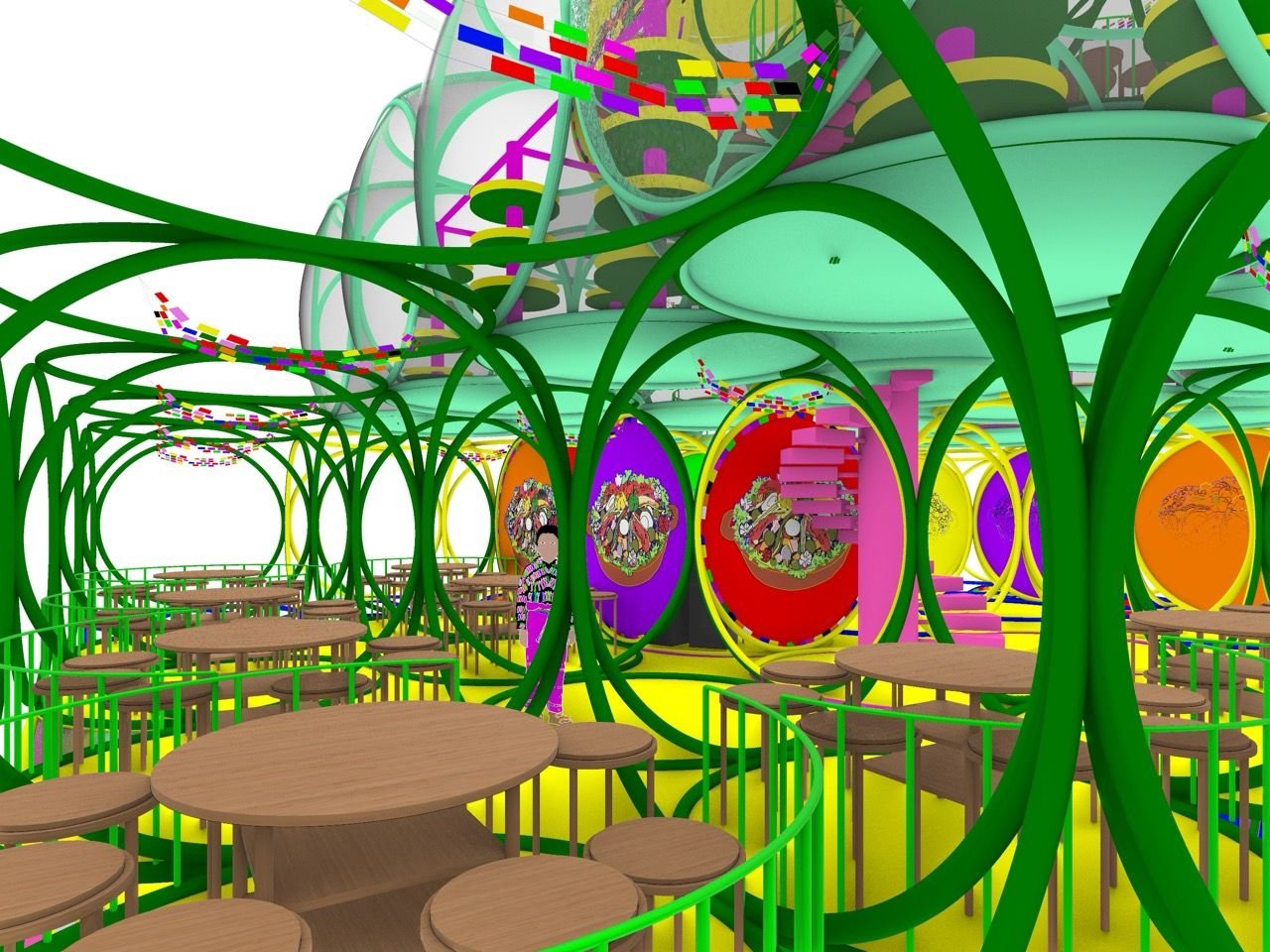
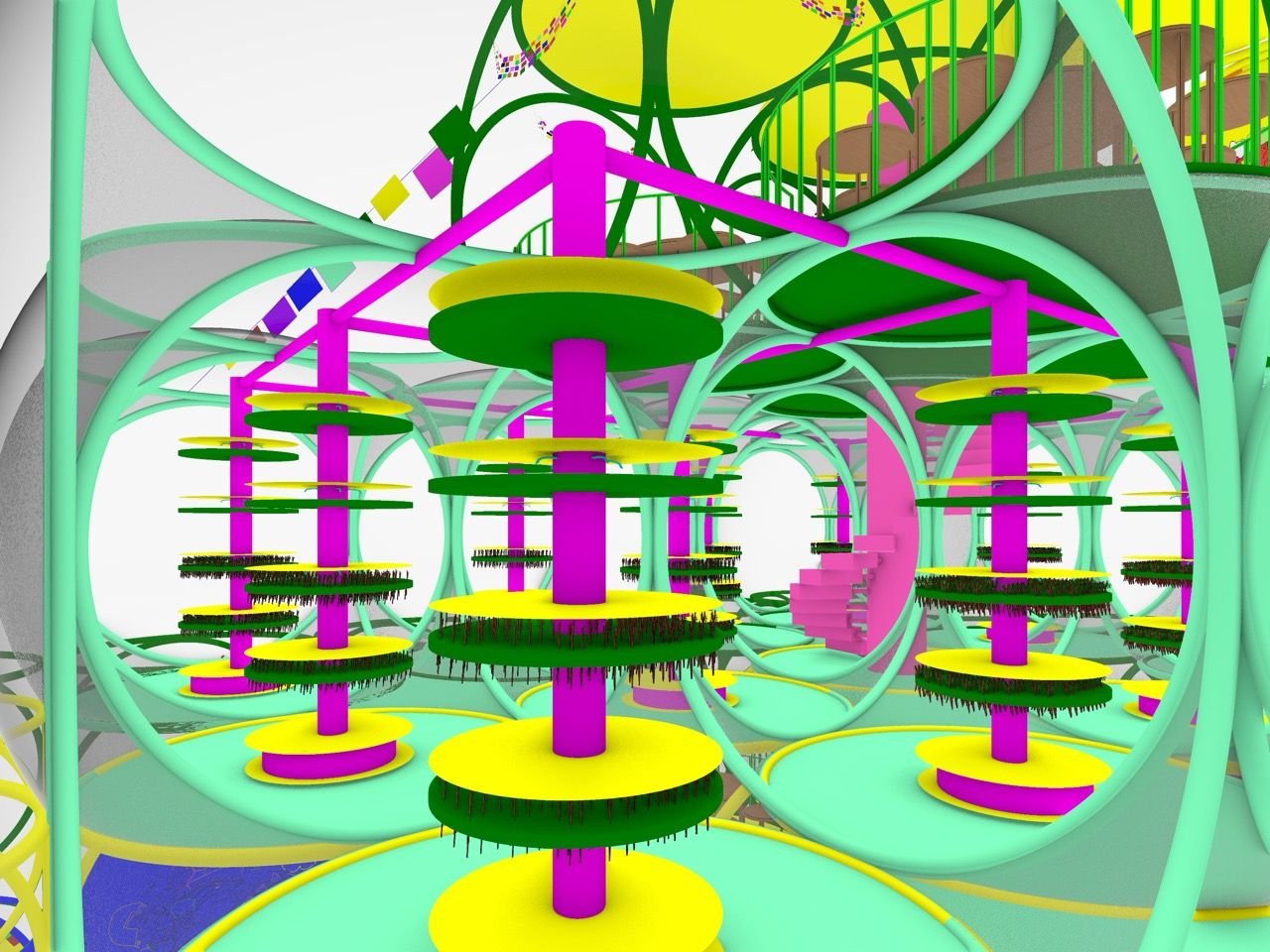
Organized the program into six levels, each representing a cultural element
key decisions:
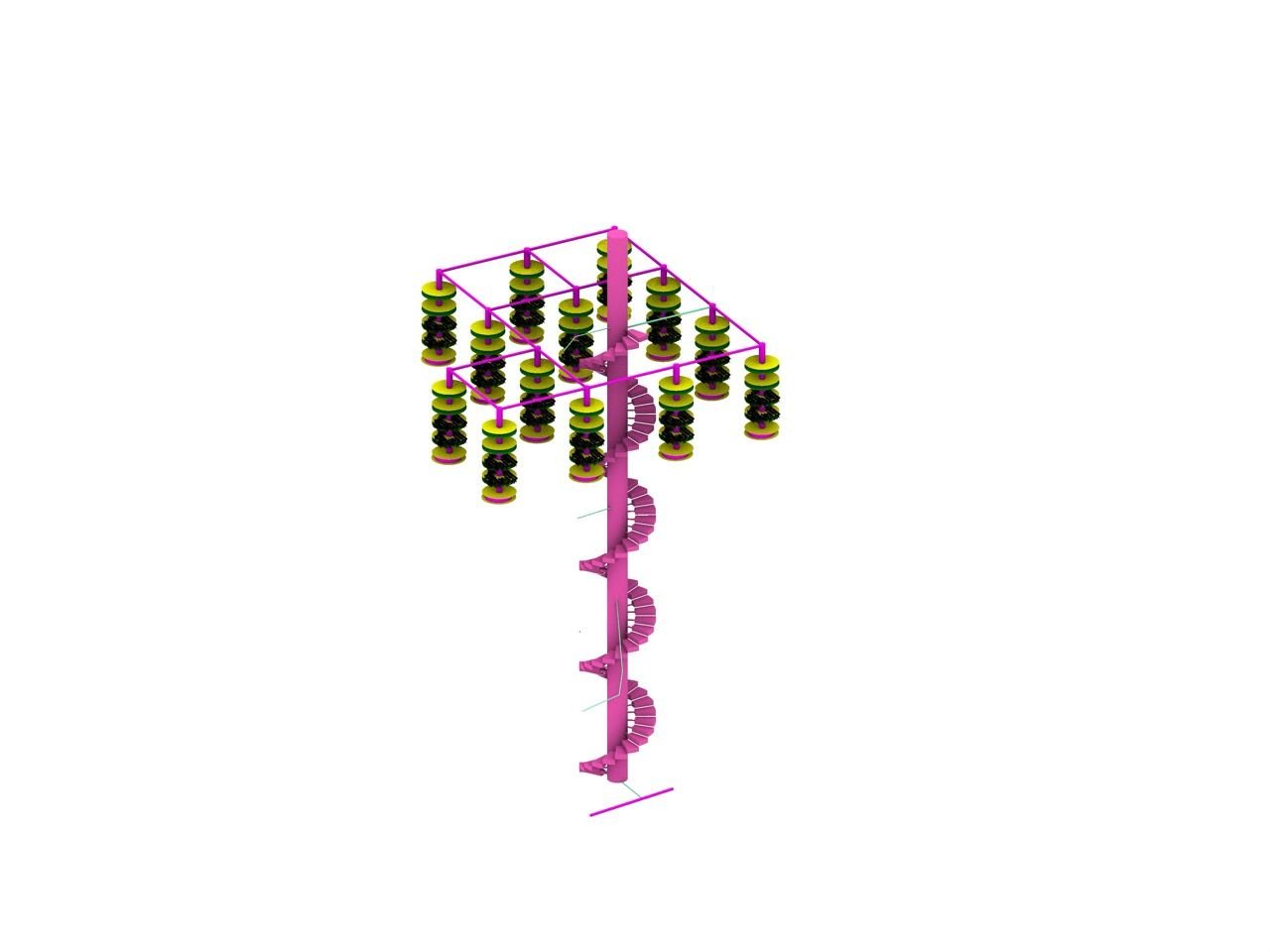
Designing a dismountable structure to reflect temporality and adaptability
Locating the pavilion at the Cementerio de la Almudena to connect with existing burial sites
Structuring the pavilion vertically to layer different cultural practices
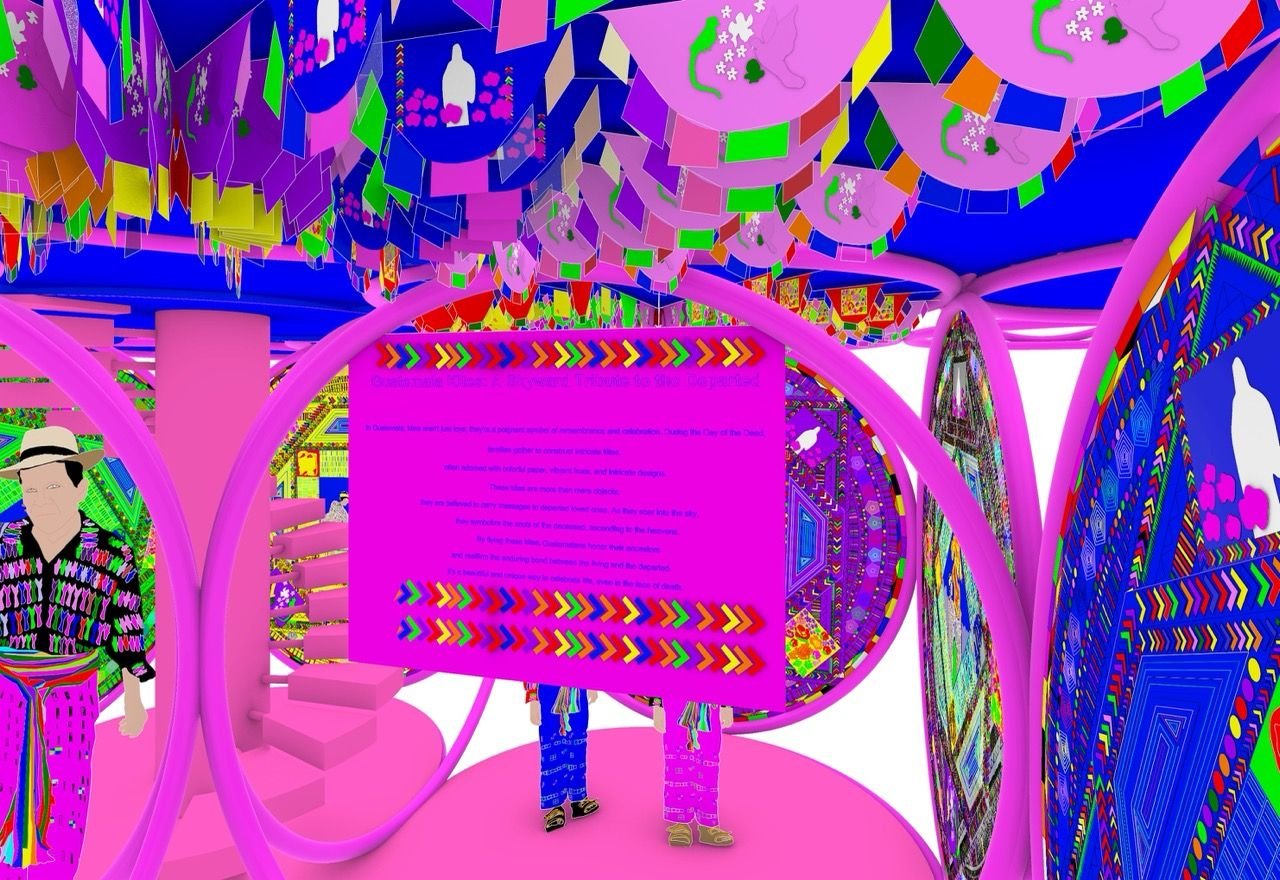
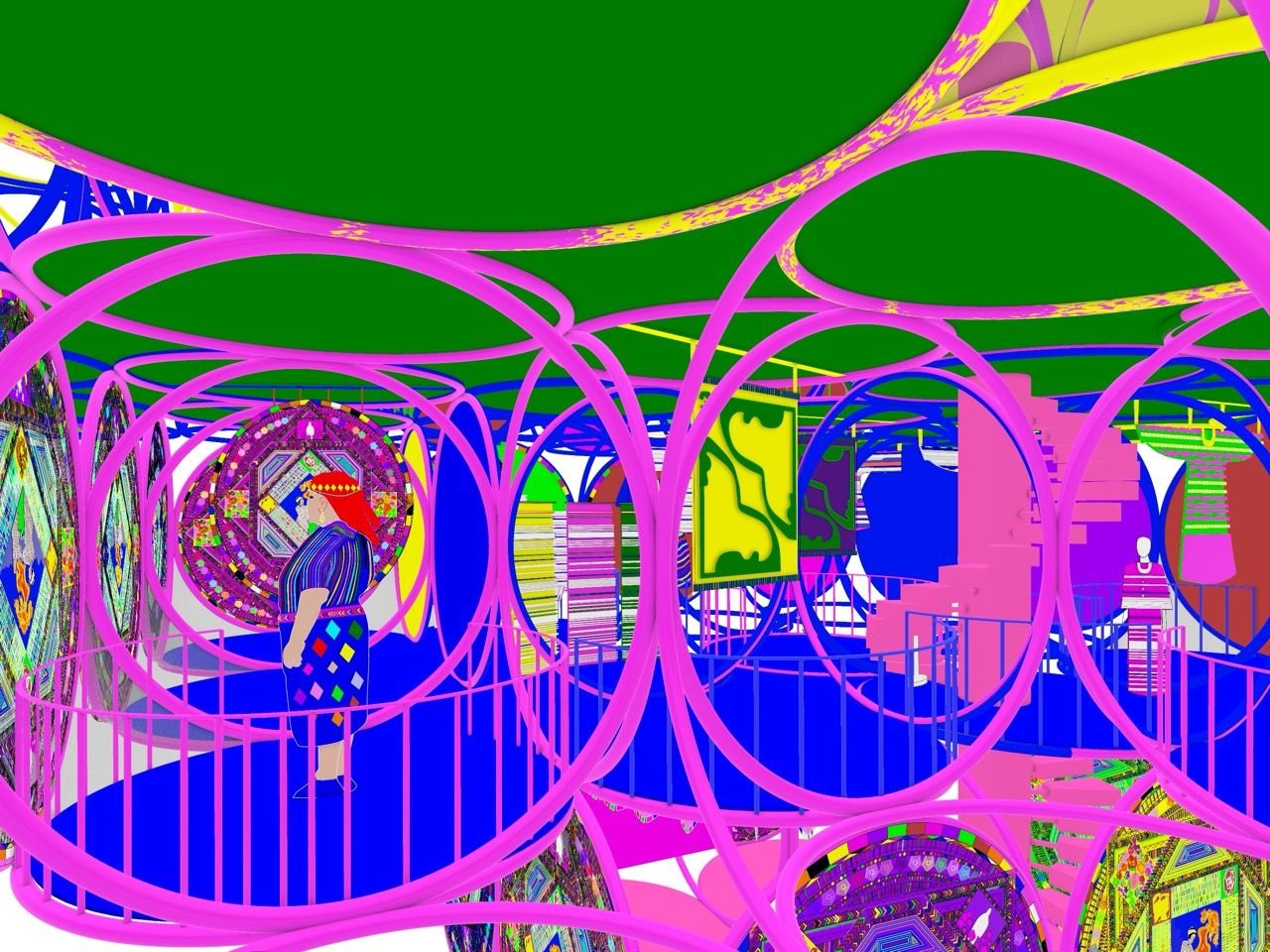
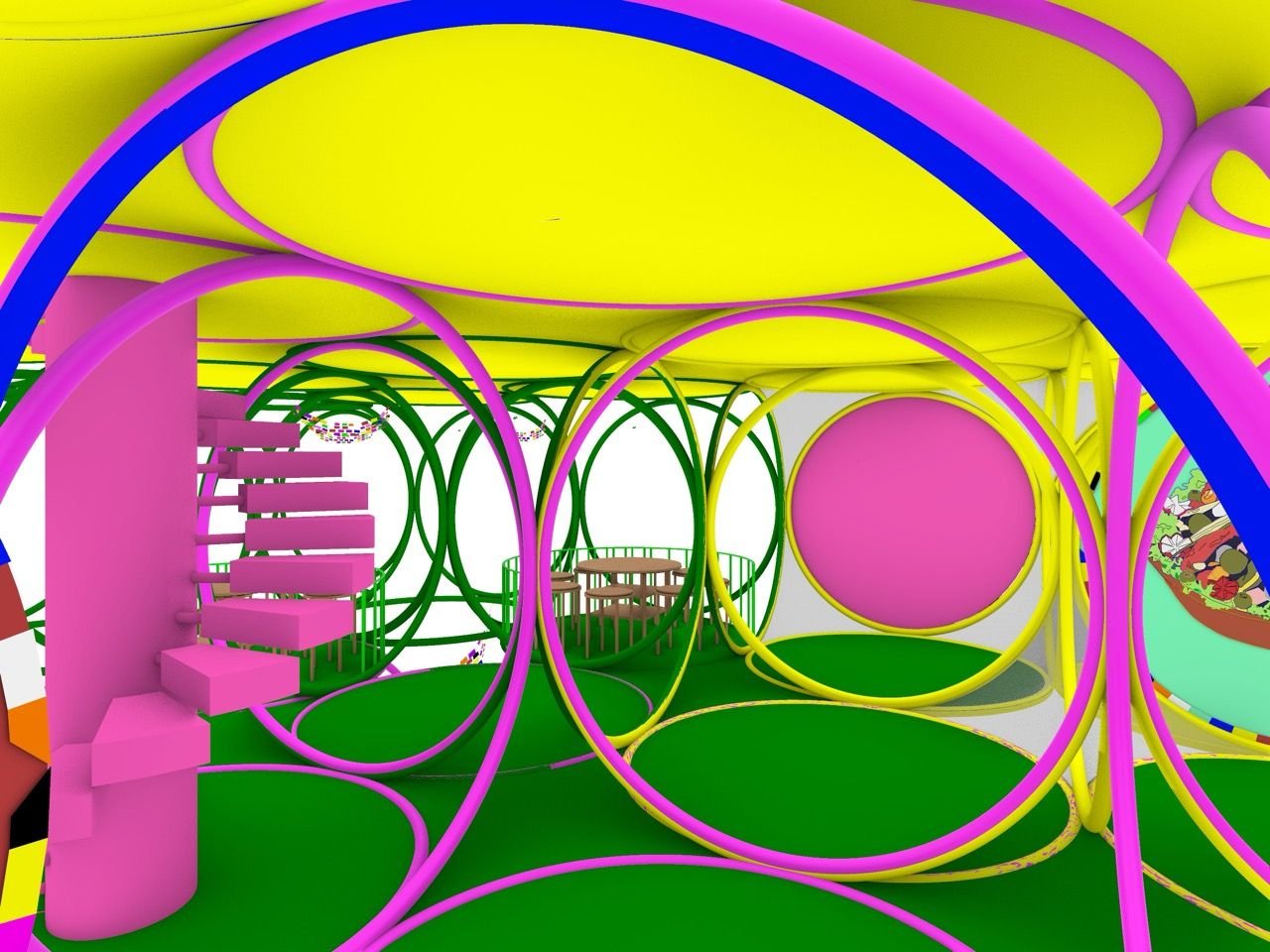
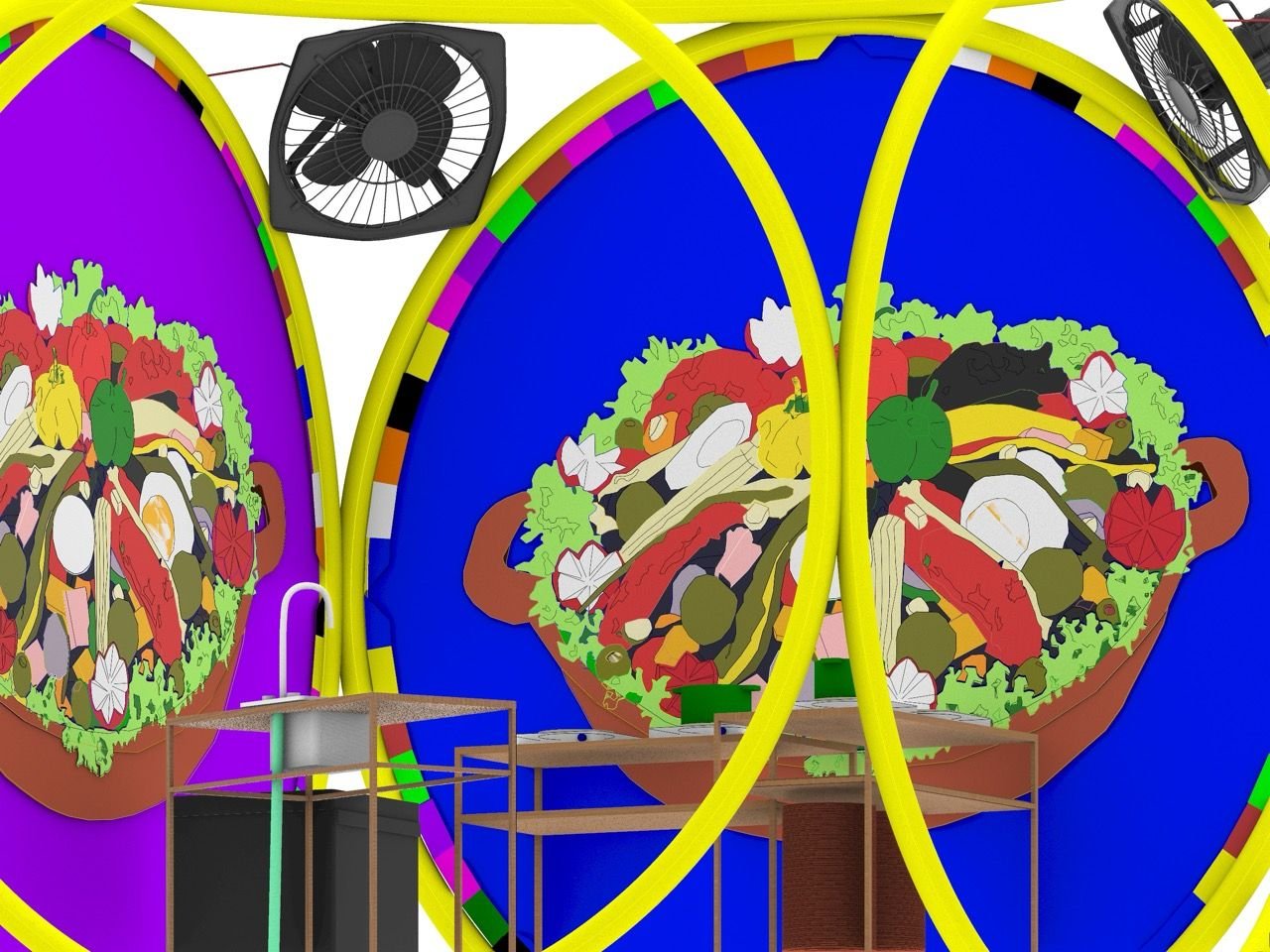
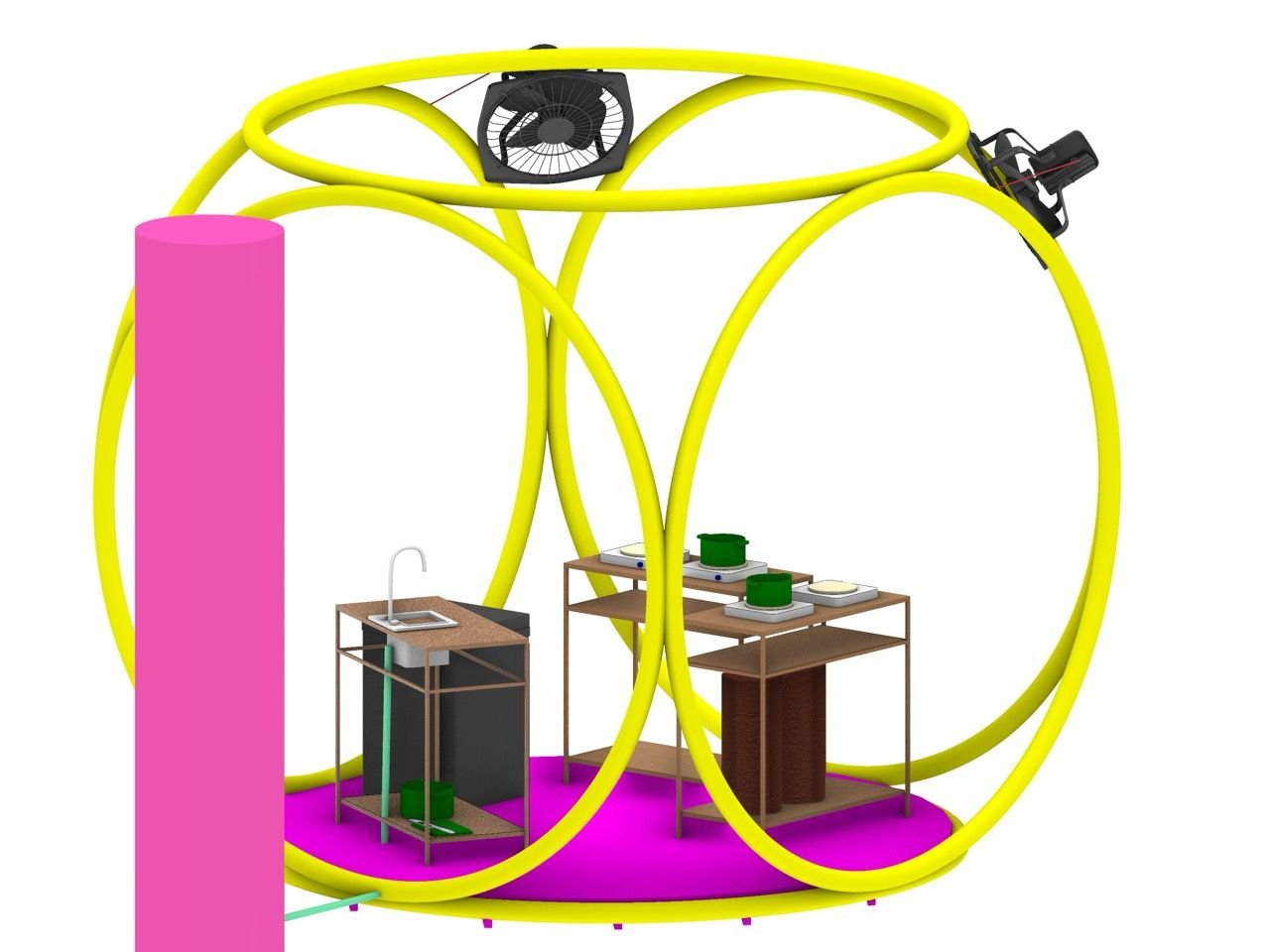
Integrating functions such as exhibition, cooking, cultivation, and gathering
Allowing the pavilion to be relocated and reused after the celebration
outcome
A multi-level pavilion that provides a dedicated space for the Guatemalan community to celebrate All Saints’ Day in Madrid. The structure supports cultural practices such as kite display, food preparation, and communal gathering, while also functioning as a reusable public space throughout the year.
reflection
This project taught me how design can respond to cultural displacement and create spaces of belonging. I learned to think of architecture as a system rather than a fixed object, and how flexibility and reuse can enhance both social and environmental impact. It reinforced my interest in designing spaces that connect people, culture, and context.